Movement of the sun from dawn to dusk tracked the length of the day.
Location of the sun tracked the seasons.
The Sun Dial was used by the Sumarians and early Egyptians.
The Egyptians constructed four-sided and tapered monuments, or obelisks, geographically located in certain places. These obelisks were believed to have been constructed around 3500 BC. A shadow would be cast by the obelisk as the sun made it’s way across the sky. This obelisk would be marked out in certain sections to see the two halves of the day.
Later, around 1500 BC a new form of clock, or sundial, permitted one to measure the passage of hours within a day.
These Sundials might be large enough to walk around, perhaps see from great heights?
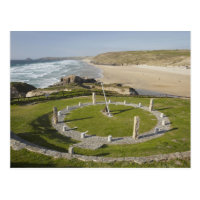 Sundial and Perran Beach, Perranporth, Cornwall, Postcard
Or, the dials might be small enough to carry in a bag or pocket, or wear around the neck.
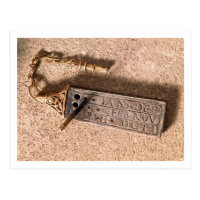 Portable sundial, silver and gold, 10th century (d postcard
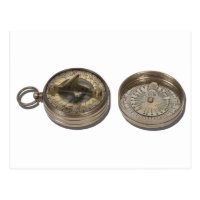 PocketSundial110510 Postcard
Here are some post cards available on Zazzle that show various types and sizes of sundials.
 Sundial, Tarragona, Spain Postcard
 Sundial in the evening postcard
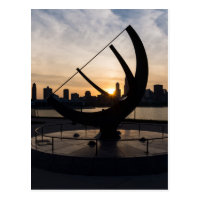 Sundial Sunset Postcard
 Sundial, Golden Gate Park, San Francisco Postcard
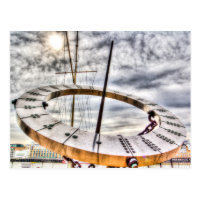 Sundial St Katherines Dock Postcard
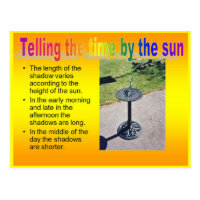 Science, Light, sundial Postcard
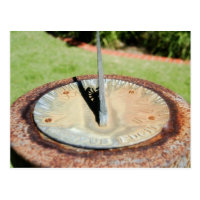 Sun Dial Postcard
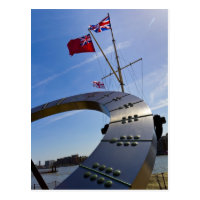 The Sundial Postcard
 Sundial Postcard
Powered by Zazzle Affiliate Helper
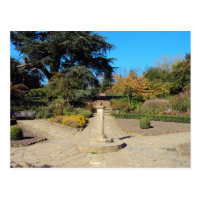 Sundial In The Rookery, Streatham Common Postcard
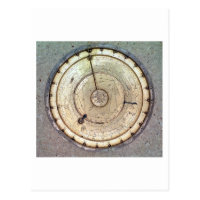 The first spring driven clock with fusee, view of postcard
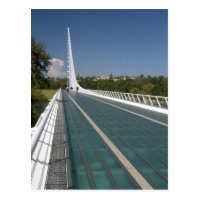 The Sundial Bridge at Turtle Bay Postcard
 Antique Sundial Postcard
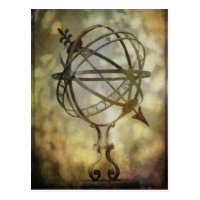 Sundial Postcard
 Sundial & Tower Bridge Postcard
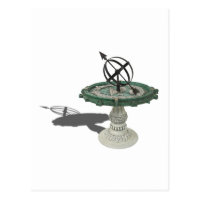 GardenSundial050111 Postcard
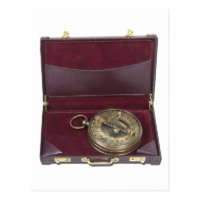 SundialBriefcase110510 Postcard
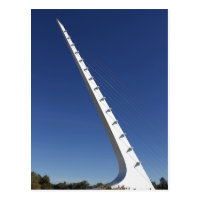 Sundial Bridge Postcard
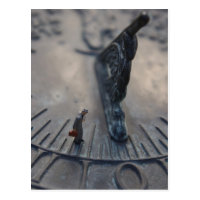 Waiting for the Sun Postcard
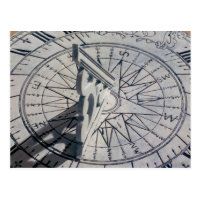 Close-up of a sundial postcard
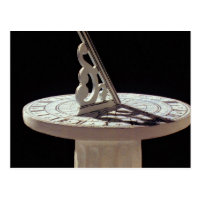 Sundial Postcard
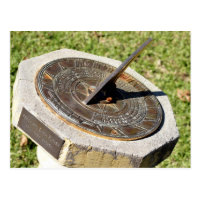 Sundial Postcard
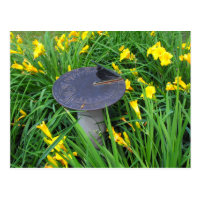 sundial flowers postcard
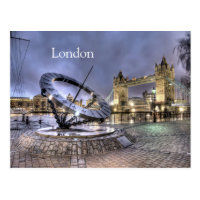 London Time postcard
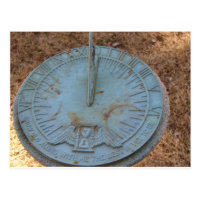 Sundial Postcard
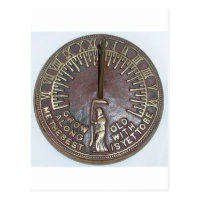 THE BEST IS YET TO COME! POSTCARD
No comments:
Post a Comment